
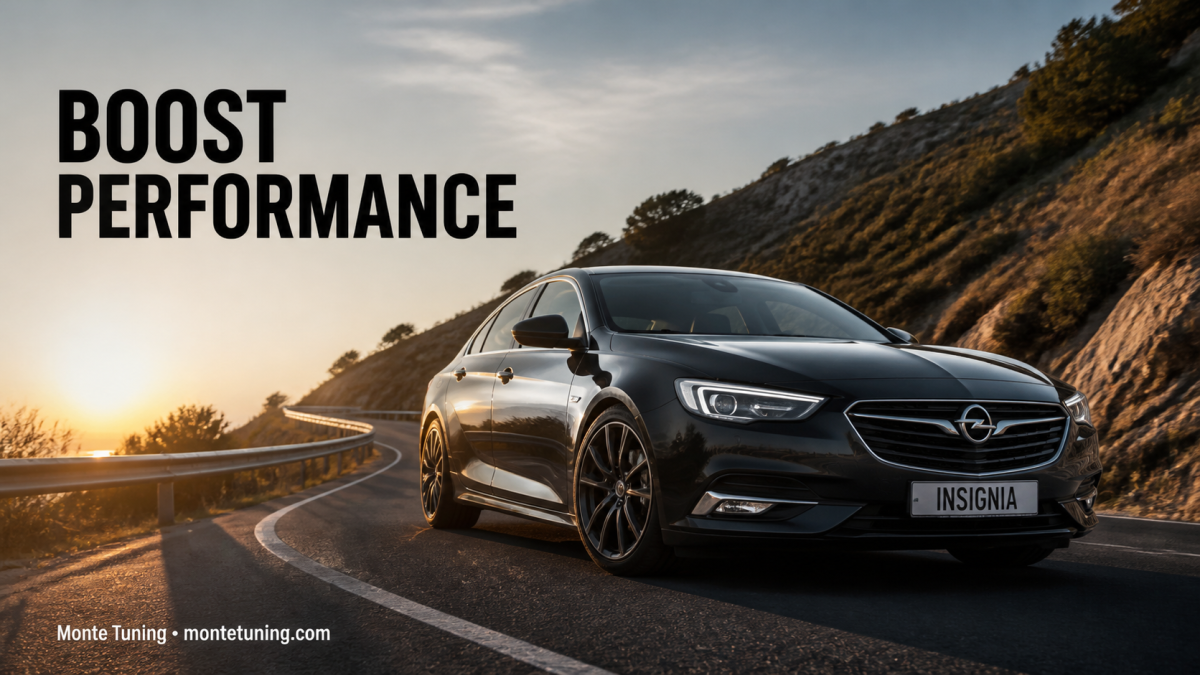
Opel Insignia ECU tuning is the process of using an OBD2 plug-and-play module to optimize engine parameters like ignition timing, fuel delivery, and turbo boost pressure. This approach enhances horsepower, torque, and throttle response while often improving fuel economy without the need for permanent software modifications.
Whether you drive a daily commuter in the UK or a high-performance variant in Australia, there is a common thread among Insignia owners: the desire to unlock the hidden capability engineered into the factory platform. Many enthusiasts find that while their vehicle is capable, the manufacturer’s conservative factory settings prioritize broad-market compatibility over individual driving dynamics. This is where modern hardware-based optimization becomes a practical solution for those who enjoy taking a hands-on approach to vehicle performance.
Understanding the Mechanics of OBD2 Tuning
The Engine Control Unit (ECU) in your Opel Insignia acts as the primary brain, dictating how the engine reacts to various conditions. Traditional flash tuning modifies this brain permanently, which can be difficult to reverse and may be detected by dealerships during routine service. In contrast, an OBD2 tuner operates as an intelligent interface that communicates via the vehicle’s CAN bus protocol. It intercepts sensor data in real time, allowing the ECU to function within its safety margins while requesting more efficient performance parameters.
This method is increasingly popular because it respects the engine’s built-in safety limits. By avoiding the permanent overwriting of the ECU’s internal memory, these devices provide a reversible way to sharpen engine response. Whether you are dealing with an insignia a20nht тюнинг project or looking to refine a diesel variant, the goal remains the same: extracting the engine’s potential without compromising reliability.
The 5 Steps to Optimized Performance
Successfully upgrading your vehicle’s performance requires a methodical approach. Follow these five steps to ensure the best results from your tuning hardware.
- Baseline Mechanical Health: Before installing any tuning module, confirm your Insignia is mechanically sound. Verify that your engine oil is fresh, air filters are clean, and ignition components are in good condition. Tuning an engine with underlying mechanical issues will not yield the desired performance gains.
- Device Selection: Identify your performance goals. Drivers focusing on a balance of improved efficiency and moderate power increases often choose the Monte GT. For those seeking more aggressive throttle response and maximum torque, the Monte GTR is typically the preferred hardware.
- Installation and Handshake: Locate the OBD2 port, typically found beneath the dashboard on the driver’s side. With the engine off, plug the device in. Turn the ignition to the “ON” position—without starting the engine—to initiate the handshake process between the device and the vehicle’s computer.
- Adaptive Drive Cycle: Modern vehicles use adaptive learning. After installation, drive your vehicle normally for approximately 100 to 150 miles. This allows the ECU to adjust fuel maps and ignition timing to the new, optimized sensor signals provided by the tuner.
- Ongoing Monitoring: Observe the changes in your vehicle’s behavior, particularly regarding turbo lag and gear shift smoothness in automatic transmissions. Monitor your fuel economy over a full tank rather than short-term dashboard readouts to see the true efficiency benefits.
Every vehicle and engine configuration responds differently to OBD2 tuning. Before purchasing, it’s worth checking compatibility with your specific make, model, year, and engine — and reviewing the setup guide for your device.

Browse all Monte Tuning OBD2 tuners →
Performance Expectations and Compatibility
The impact of tuning depends heavily on the engine type and the tuning protocol used. While individual results vary based on fuel quality, maintenance history, and local environmental conditions, owners can expect improvements in both drivability and efficiency.
| Engine Type | Performance Focus | Expected Outcome |
|---|---|---|
| 2.0T Petrol | Throttle response, torque | Smoother power delivery |
| 2.0 CDTi Diesel | Low-end torque, fuel economy | Enhanced towing/pulling power |
| Naturally Aspirated | General engine efficiency | Improved pedal response |
Expected gains, optimal drive cycle duration, and compatibility details vary by vehicle. The Monte GT setup guide and Monte GTR setup guide walk through setup step by step for each device model.
Why Owners Choose OBD2 Optimization
The decision to tune is often driven by a combination of practicality and the desire for a more engaging driving experience. Modern vehicles, including the Insignia, are frequently detuned at the factory to account for the lowest common denominator in fuel quality and maintenance standards across global regions. By using high-quality hardware to communicate with the ECU, owners can access the performance that was designed into the engine but kept in reserve.
Those interested in about Monte Tuning will find that our approach focuses on reliability and transparency. We aim to provide tools that empower the enthusiast without requiring a deep technical background or a visit to a performance mechanic. Whether you are looking for a subtle increase in torque for daily commuting or a more responsive throttle for highway driving, our devices are engineered to integrate seamlessly into your current vehicle setup.
Check compatibility and explore the full lineup:
montetuning.com —
available for US, CA, UK, AU, and ES. Ships worldwide.
Frequently Asked Questions
Is OBD2 tuning safe for my Opel Insignia?
Yes, when using reputable hardware. These devices operate within the manufacturer’s built-in safety parameters, ensuring that the engine is never pushed beyond its engineered limits.
Will this void my vehicle’s warranty?
Because these devices do not permanently alter the ECU’s software, they leave no permanent footprint. Unplugging the device returns the engine to its factory state, making it a popular choice for those concerned with warranty terms.
How long does it take to see results?
You will typically notice improved throttle response immediately. However, the full benefits—including optimized fuel economy and refined engine management—usually appear after the adaptive drive cycle of 100 to 150 miles.
Is the installation process reversible?
Absolutely. The primary advantage of a plug-and-play module is the ability to remove it at any time. Simply unplugging the unit restores the factory settings instantly.
Do I need a mechanic for installation?
No professional tools or mechanical experience are required. The process involves identifying the OBD2 port, connecting the device, and following the specific setup instructions for your module.