Can Tuning Improve Towing Performance?
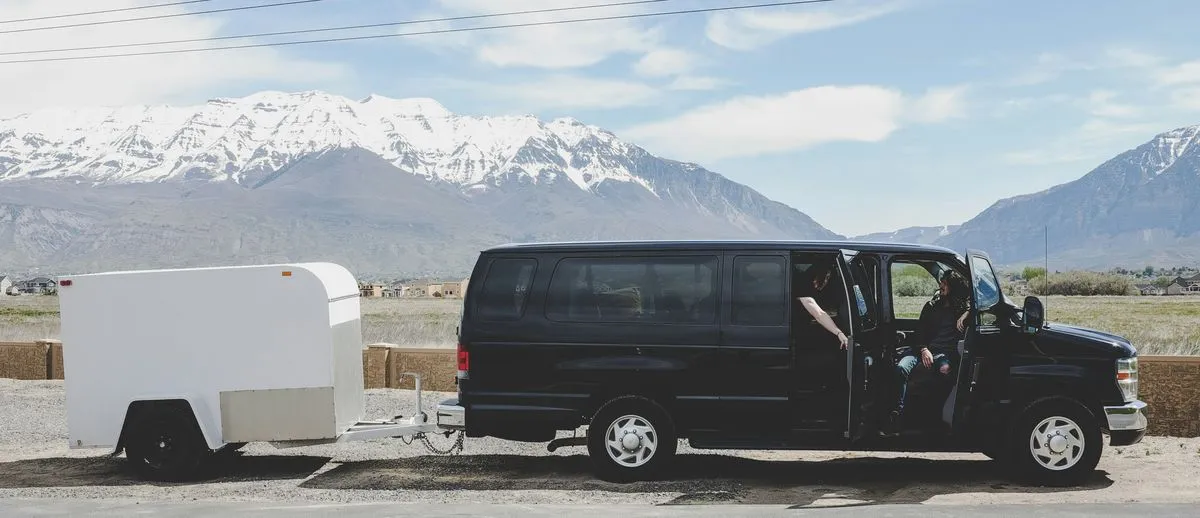
If you tow or haul, the question isn’t top speed — it’s whether the truck pulls without straining on a grade. A tune can help, within limits.
What Changes When You Tow
Towing is a torque job. A calibration made for your exact engine adds torque through the mid-range, which is where you live when you’re pulling a trailer up a hill. On diesels most of the gain shows up as torque.
What We Measured
Before and after Monte on a chassis dyno: Ford F-150 Raptor 3.5 EcoBoost +21 hp and +31 lb-ft (lab test, SEMA Garage, Diamond Bar, CA). For other trucks, the factory ratings and our estimate for every engine and year are on the truck tuner page and in the catalogue.
What a Tune Doesn’t Change
Your tow rating. It is set by the chassis, brakes, cooling, axle and hitch, not by engine output. Follow the manufacturer’s ratings whatever the engine makes. Monte keeps the factory safeguards and knock protection active, so the engine still protects itself under load; watch temperatures on long climbs as you would anyway (Monte GTR shows live gauges on its own screen).
Other Upgrades for Towing and Off-Road
- Tires and gearing matter as much as power — bigger tires without a gear change cost you pull.
- Cooling: a transmission cooler is the classic towing upgrade.
- Brakes and hitch before power, always.
- Throttle controllers make the pedal feel more eager but don’t add torque at full throttle — see Throttle controller myths debunked.
Fuel Economy When Towing
Towing uses more fuel, tuned or not. Monte’s Economy modes are made for steady, relaxed driving; how much fuel they save depends on the car and how it’s driven, and we don’t quote a figure until we’ve measured it.

