Dec 15, 2025
Why ECU Tuning Requires an Adaptation Period
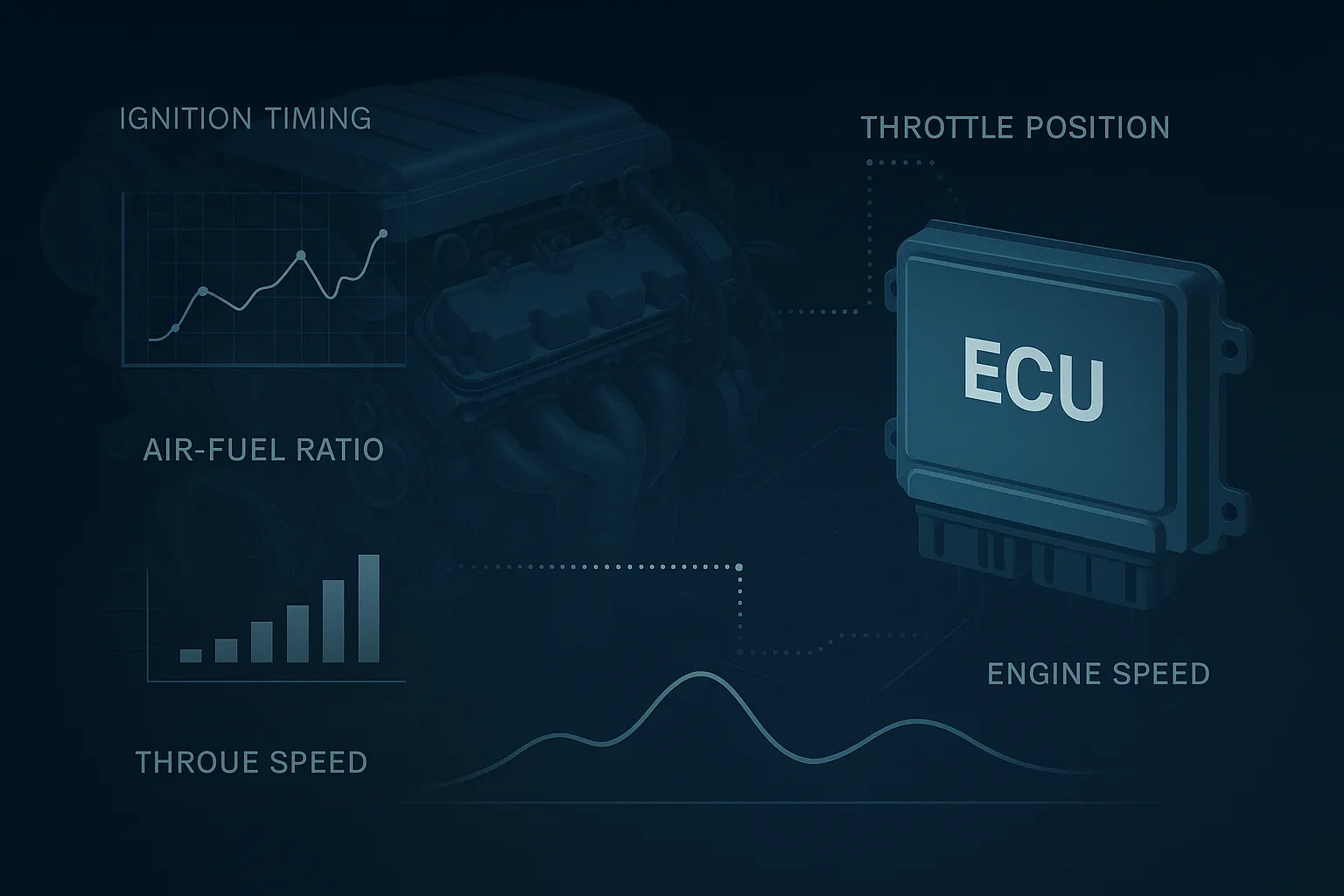
After installing an ECU tuning device or applying an ECU remap, some drivers expect instant and final results. While certain improvements may be noticeable early on, modern ECU tuning requires an adaptation period for the system to reach its full potential.
This adaptation phase is not a delay or a flaw. It is a fundamental part of how modern engine control units operate.
Modern ECUs Are Adaptive Systems
Today’s vehicles use advanced engine control units (ECUs) that continuously monitor and adjust engine behavior in real time.
These systems adapt:
-
Air–fuel ratios
-
Ignition timing
-
Load and torque delivery
-
Throttle response
-
Emissions strategies
Even in factory configuration, the ECU is always learning. Any change to engine calibration — including ECU tuning — requires the ECU to relearn and validate new operating targets under real driving conditions.
Why Adaptation Is Necessary After ECU Tuning
When ECU tuning is applied, optimized parameters are introduced. However, the ECU does not lock these values in instantly.
Instead, it gradually:
-
Tests new targets during real driving
-
Monitors sensor feedback (oxygen, knock, temperature, load)
-
Refines short-term adjustments
-
Stores stable values as long-term adaptations
This progressive process ensures smooth operation and prevents abrupt or unstable behavior.
Fuel Trim and Sensor Learning Takes Time
Fuel delivery is controlled through short-term and long-term fuel trims. After tuning:
-
Oxygen sensors evaluate combustion
-
The ECU makes ongoing corrections
-
Stable fueling targets are learned over multiple drive cycles
Forcing instant final values would increase the risk of fault codes, poor drivability, or inconsistent performance. Progressive adaptation allows the ECU to remain in full control.
Typical Adaptation Timeframe
For most vehicles, ECU adaptation is completed after approximately:
200 km (120 miles) of normal driving
Some benefits may appear earlier, but full optimization develops gradually as the ECU finalizes its learning process.
You Do Not Need to Drive 120 Miles in One Trip
The adaptation period does not require a single long drive.
The ECU adapts over multiple normal driving cycles, not one continuous journey. You can simply use the vehicle as you normally would — short trips, city driving, highway cruising, and daily errands all contribute to the learning process.
Each drive provides the ECU with additional data, allowing adaptation to complete naturally over time.
What Drivers May Notice During Adaptation
During the adaptation period, drivers may experience:
-
Gradual improvements rather than instant changes
-
Smoother throttle response over time
-
More consistent power delivery
-
Improved efficiency once learning stabilizes
These changes become more refined as long-term adaptations are established.
Why “Instant Results” Claims Can Be Misleading
Claims of instant, fully optimized performance overlook how modern ECUs function.
Abrupt tuning changes can:
-
Trigger aggressive ECU corrections
-
Cause warning lights or limp mode
-
Result in inconsistent or harsh behavior
Proper ECU tuning respects the ECU’s learning logic instead of attempting to bypass it.
Adaptation Is a Feature, Not a Drawback
The adaptation period exists to ensure:
-
Safe engine operation
-
Consistent and predictable performance
-
Long-term reliability
-
Compatibility with OEM control systems
This same learning process also occurs after factory software updates, battery disconnections, or major engine-related service.
Final Thoughts
ECU tuning requires an adaptation period because modern engines are designed to learn.
Allowing the ECU time to adjust ensures that performance improvements are not only noticeable, but also stable, repeatable, and reliable. Adaptation is not waiting — it is the final step of proper ECU tuning.
Do you still have any questions?
Meet Anna and Kevin. They’re here to answer your questions and help you choose the right device


Average response time: 5 minutes
