ECU Remapping vs Piggyback Chips: What’s Best for Your Car?
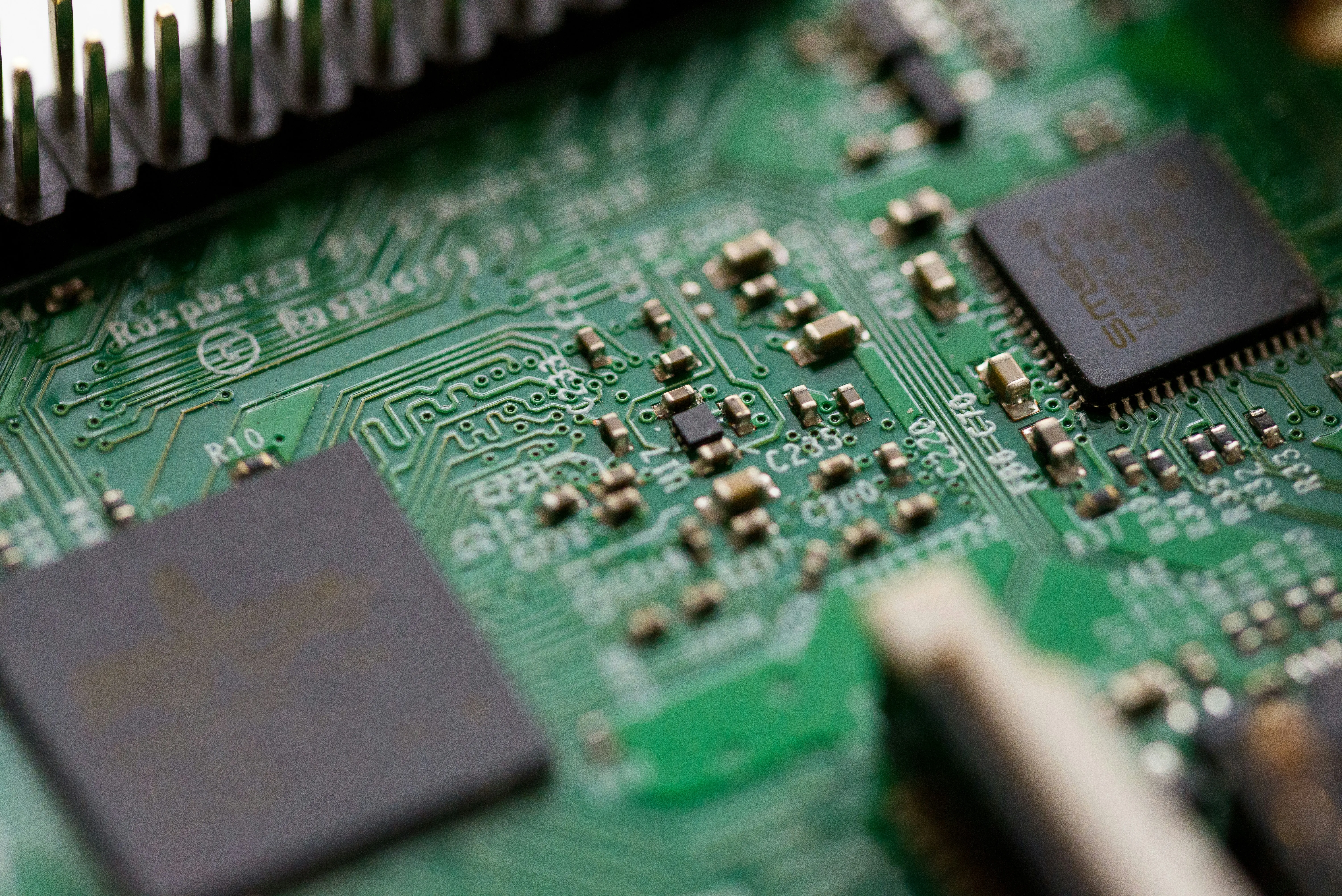
There are three ways to change how an engine runs: rewrite the engine computer’s software (a flash tune or ECU remap), put a box between the sensors and the computer (a piggyback), or plug a device into the OBD-II port that carries a calibration for your exact engine (a plug-in tuner, which is what Monte is). They are often all called “chips”, but they work differently and suit different drivers.
ECU Remapping (Flash Tuning)
The tuner reads the engine computer’s stock software, changes the maps — fuelling, ignition timing, boost on turbo engines — and writes the new file back, through the OBD-II port or on the bench. Flash tuning gives the largest gains, especially with a custom map on a dyno.
- Pros: biggest numbers; can be tailored to hardware upgrades (stage 2 and beyond).
- Cons: the stored software is rewritten; some newer ECUs must be unlocked or sent away first; going back means flashing the stock file again, and a dealer scan can often see that the calibration was changed.
Piggyback Systems
A piggyback is wired between one or more sensors and the engine computer and changes the signals on the fly — for example, reporting a little less boost so the ECU asks for more.
- Pros: the ECU software itself isn’t rewritten; the box can be removed.
- Cons: it works by making the ECU see something that isn’t true, so results depend on how the ECU reacts; installation usually means wiring; gains are moderate and mostly on turbo engines.
Beware of the cheapest “piggybacks”: a resistor in the intake air temperature line, or a plug with a blinking light. Those don’t change anything measurable.
Plug-in Tuners (Monte)
Monte plugs into the OBD-II port and carries a calibration for your exact engine: it adjusts fuelling and ignition timing, and boost on turbo engines. It does not rewrite the ECU’s stored software, and unplugging it returns the car to stock. It keeps the factory safeguards and knock protection active.
- Pros: five minutes to install, no wiring; back to stock by unplugging; moves to your next car.
- Cons: gains are moderate — smaller than a custom flash — and it is written for stock hardware.
Side by Side
| Flash / remap | Piggyback | Plug-in tuner (Monte) | |
|---|---|---|---|
| How it works | Rewrites the ECU software | Alters sensor signals | Calibration for your engine via OBD-II |
| Install | Shop or handheld flasher | Wiring, 1–2 h | About 5 minutes, no tools |
| Power | Largest | Moderate, mostly turbo | Moderate, dyno-tested |
| Back to stock | Re-flash | Remove the box | Unplug |
What a Plug-in Tune Actually Adds
Before and after Monte on a chassis dyno: Ford F-150 Raptor 3.5 EcoBoost +21 hp and +31 lb-ft (lab test, SEMA Garage, Diamond Bar, CA); Mercedes C300 2.0 turbo +25.1 hp and +72.2 lb-ft (dyno on video); Nissan 370Z 3.7 V6 +22.3 hp (Dynocom customer dyno report); Abarth 595 1.4 T-Jet +20.6 hp (dyno on video); Mazda MX-5 2.0 +16.6 hp (Dynocom customer dyno report). Turbo engines gain the most.
Which One Should You Choose?
- A project car, maximum numbers, hardware upgrades planned: a custom flash tune from a good shop.
- A daily driver you want to keep stock-reversible, or a car you’ll sell in a few years: a plug-in tuner.
- A piggyback makes sense mainly where nothing else is available for your engine.
More on stages in Stage 1 vs. stage 2, and on what “chips” really do in Do performance chips really work? Check what Monte fits on your car →

