Acura RSX Performance Chip & ECU Tuner Guide
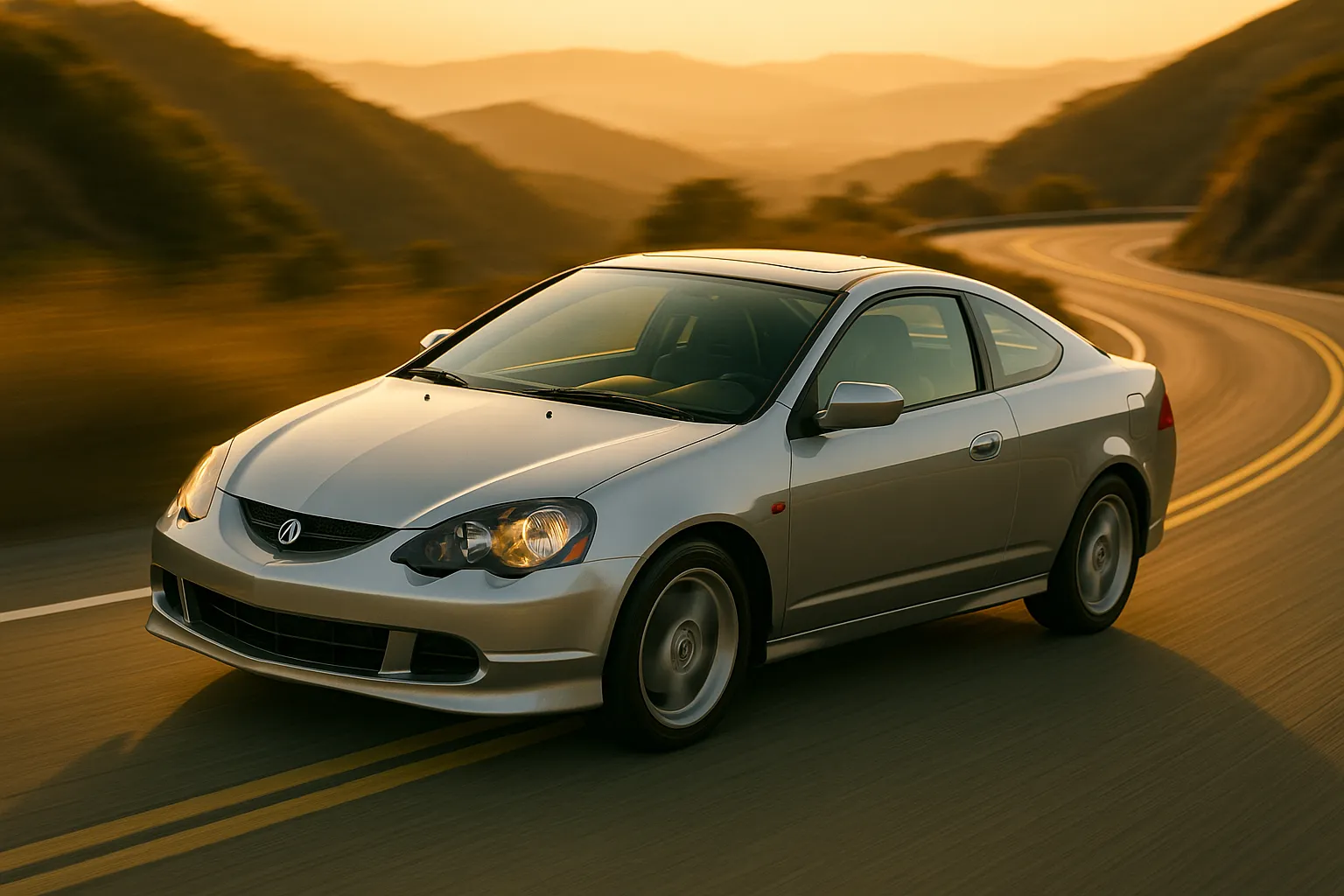
The Acura RSX leaves the factory with an engine calibration written to work everywhere — every climate, every fuel grade, every driver. That is a sensible choice for a manufacturer, and it leaves a margin. This guide covers what an Acura RSX performance chip or RSX tuner actually changes, what it adds on each engine, and what to be skeptical of.
Engines covered here: 2.0L four (2002–2006).
What Can an RSX Performance Chip Actually Do?
A real tuner changes how the engine computer (ECU) runs the engine: how much fuel it injects, when it fires the spark and, on turbocharged engines, how much boost it asks for. That is where extra horsepower and torque come from. A cheap “chip” that only fools a sensor — or a plug with a blinking light — changes none of that, and adds nothing you can measure.
Naturally aspirated engines gain from fuelling and ignition timing alone, so a little less.
How Much Power Does a Tune Add to the Acura RSX?
Factory ratings for these engines are still being checked in our database, so we don’t quote an estimate here yet. The Acura RSX page shows the engines and years Monte fits.
For scale, here is what Monte measured on a chassis dyno, before and after: Ford F-150 Raptor 3.5 EcoBoost +21 hp and +31 lb-ft (lab test, SEMA Garage, Diamond Bar, CA); Nissan 370Z 3.7 V6 +22.3 hp (Dynocom customer dyno report); Mercedes C300 2.0 turbo +25.1 hp (dyno on video). Those are other cars, not yours — but they show the size of a real gain: moderate and measurable.
Merging and Passing
Most of the difference shows up where you need it on the road: merging onto the highway and passing. The extra torque makes the RSX pull harder in the mid-range, without changing how it behaves when you drive gently.
Will an RSX Tuner Improve MPG?
Monte’s Economy modes are made for steady, relaxed driving; how much fuel they save depends on the car and how it’s driven, and we don’t quote a figure until we’ve measured it. Be skeptical of any device that promises big MPG gains on every car: that is the same kind of box as the one that promises big power.
Performance Chip vs. Throttle Controller
A throttle controller changes how the gas pedal is reported to the engine computer. The RSX feels more eager off the line, but with the pedal on the floor the engine makes exactly the same power. A tuner changes the calibration itself — and that is what shows up on a dyno. Monte is a tuner: it does not change the pedal signal. More in Throttle controller myths debunked.
Modes, Gauges and Diagnostics
Monte has several modes, including Eco. Monte GT is set up and switched from the Monte app on your phone. Monte GTR carries the same calibration and adds its own touch screen: live gauges, a code reader that reads and clears fault codes, a 0–60 timer and a virtual dyno.
Installation and Going Back to Stock
Monte plugs into the OBD-II port under the dashboard — about five minutes, no tools, no wiring. It does not rewrite the ECU’s stored software, so unplugging it returns the RSX to stock. After installation the ECU finishes adapting over roughly 120 miles of normal driving, and that is when the full gain is in.
Will a Performance Chip Void My RSX Warranty?
Monte makes no permanent change: it doesn’t rewrite the factory ECU software, and unplugging it returns the car to its original behaviour. Dealer policies vary, and removing the device before service is the standard, conservative practice. We can’t promise how an individual dealer will react.
Is a Performance Chip Worth It for Your RSX?
A box that only fools a sensor isn’t worth any money. A calibration written for your Acura RSX’s engine is worth it if you want a moderate, real gain — without opening the engine, removable in a minute, and movable to your next car. If you want the biggest possible numbers and don’t mind permanent changes, a custom flash tune from a good shop will give you more.
See the factory ratings and our estimate for every Acura RSX engine and year →

