May 25, 2026
Why Modern Automatic Transmissions Feel Sluggish
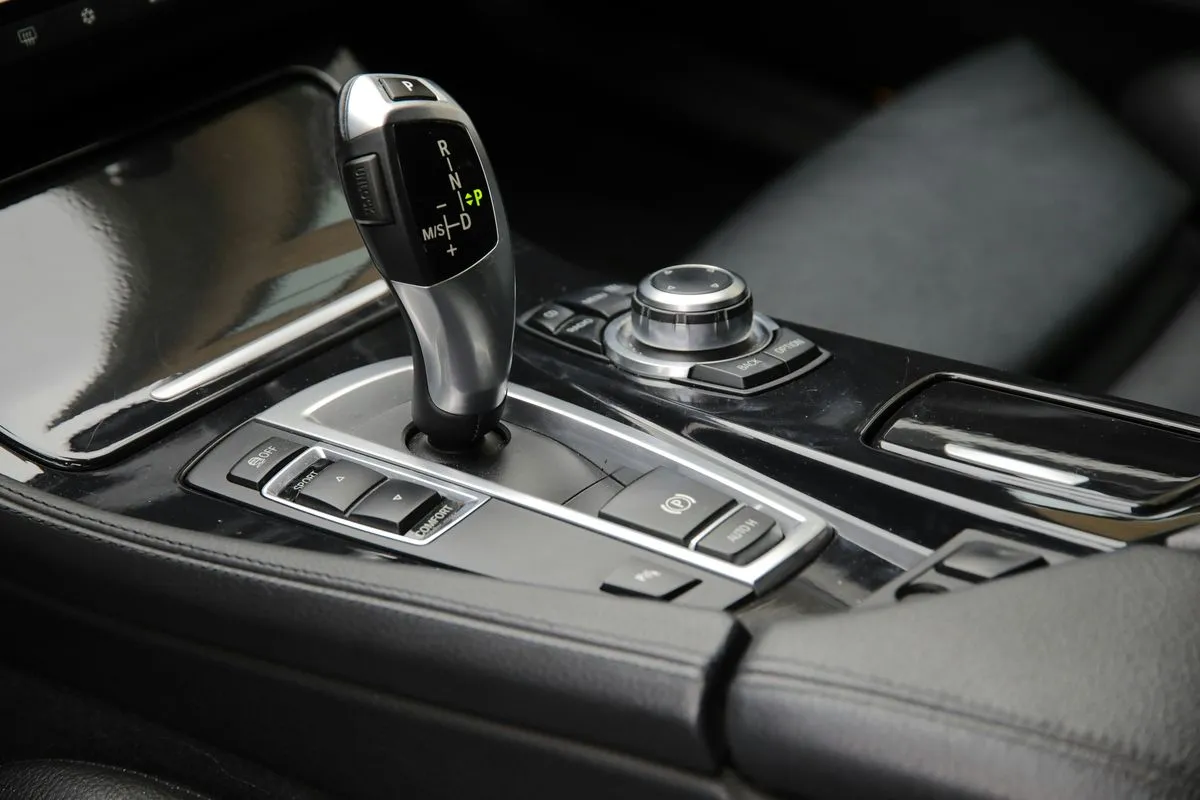
If you've driven a modern automatic vehicle and noticed hesitation during acceleration, you're not alone. Many drivers describe newer vehicles as slow to respond, delayed during acceleration, hesitant when overtaking, "confused" when shifting, or sluggish at low speeds.
Ironically, many modern cars are actually faster and more powerful than older vehicles. So why do they often feel slower to drive? The answer usually comes down to how modern automatic transmissions and engine systems are programmed from the factory. Today's vehicles prioritize fuel economy, emissions compliance, smoothness, and long-term reliability far more than aggressive responsiveness. As a result, many automatic transmissions are intentionally calibrated to behave conservatively during everyday driving.
Modern Transmissions Are Designed for Efficiency
Years ago, automatic transmissions were simpler and often more direct. Modern transmissions, however, are highly computerized systems constantly communicating with the ECU. Manufacturers now program transmissions to prioritize lower fuel consumption, reduced emissions, smoother shifting, lower engine RPM, improved comfort, and reduced drivetrain stress.
This means the vehicle is often trying to stay in the highest possible gear to improve efficiency. While this helps save fuel, it can also make the vehicle feel lazy during acceleration.
Why Your Car Hesitates Before Accelerating
One of the most common complaints about modern automatic vehicles is hesitation when pressing the accelerator. This delay can happen because multiple systems are working together before power is delivered. The vehicle may need to downshift, adjust throttle input, build turbo boost, calculate traction conditions, and adjust fuel and timing — all in fractions of a second, but drivers still feel the delay.
This is especially noticeable when merging onto highways, overtaking another vehicle, accelerating uphill, or pulling away quickly from a stop. The vehicle is essentially prioritizing efficiency and smoothness before aggressive response.
Turbocharged Engines Add Another Layer
Many modern vehicles now use small turbocharged engines paired with automatic transmissions. Turbocharged engines are efficient and powerful, but they often rely on boost pressure to create strong acceleration. At low RPM, the engine may initially feel weak until the turbo builds pressure.
When combined with conservative transmission tuning, this can create a double delay: the transmission hesitates before downshifting, and the turbo needs time to build boost. The result is a driving experience many people describe as "rubber-band" acceleration.
Why Manufacturers Tune Vehicles Conservatively
Many drivers ask: if the car can respond faster, why didn't the manufacturer program it that way? The answer is simple — manufacturers must balance performance with many other priorities. Factory tuning must account for emissions laws, fuel economy testing, warranty protection, long-term durability, driver comfort, tire traction, and global fuel quality differences.
Aggressive transmission tuning may feel sportier, but it can also increase fuel consumption, create rougher shifts, increase drivetrain wear, and reduce smoothness. Most manufacturers choose safer, smoother calibration for mass-market vehicles.
Gear Hunting Makes Vehicles Feel Worse
Another major issue is gear hunting. Modern transmissions often constantly search for the "ideal" gear to maximize fuel efficiency. This may cause frequent shifting, delayed downshifts, unstable acceleration feel, and inconsistent throttle response.
Drivers commonly notice this while climbing hills, driving in traffic, towing, or accelerating at medium speeds. The transmission may repeatedly shift between gears trying to optimize efficiency instead of immediate responsiveness.
How Modern Tuning Can Improve Transmission Feel
Modern performance tuners and adaptive tuning systems can often improve how the vehicle responds during acceleration. Rather than focusing only on peak horsepower, many tuning systems improve torque delivery, throttle response, acceleration feel, turbo responsiveness, and overall drivability.
This can make automatic vehicles feel significantly more responsive during normal driving. Drivers often report faster response when pressing the accelerator, smoother power delivery, less hesitation, better mid-range acceleration, and more predictable behavior. The vehicle may simply feel more awake and connected.
Final Thoughts
Modern automatic transmissions are not necessarily bad — they are simply optimized for different priorities than older vehicles. Manufacturers today focus heavily on fuel economy, emissions compliance, comfort, and reliability. As a result, many vehicles feel more sluggish or delayed during acceleration despite having strong performance potential.
Modern tuning solutions can often help improve transmission responsiveness, torque delivery, acceleration feel, and overall drivability — without requiring major modifications or sacrificing daily usability. For many drivers, the biggest improvement isn't maximum horsepower — it's making the vehicle feel smoother, quicker, and more responsive in real-world driving situations.
Do you still have any questions?
Meet Anna and Kevin. They’re here to answer your questions and help you choose the right device


Average response time: 5 minutes
