May 24, 2026
Why Modern Vehicles Feel Slower Than They Really Are
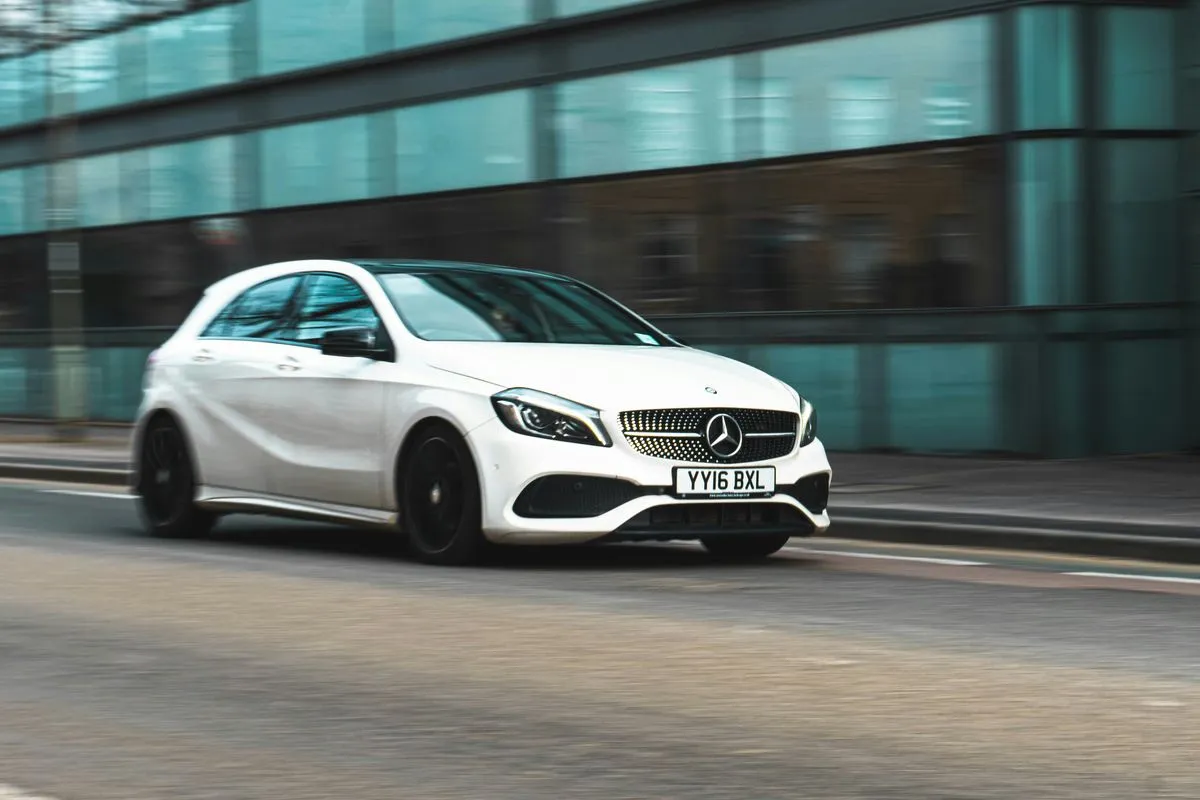
If you've driven an older vehicle and then stepped into a brand-new car, you may have noticed something surprising: even though modern cars are often much faster on paper, many of them feel slower, softer, or less responsive during everyday driving.
This feeling is incredibly common among drivers. Someone upgrades from a naturally aspirated sedan from the early 2000s into a modern turbocharged SUV with far more horsepower — yet the newer vehicle somehow feels less engaging. The truth is that modern vehicles are engineered very differently than cars from the past. Manufacturers today prioritize efficiency, emissions compliance, comfort, and long-term reliability more than aggressive responsiveness. The result is a driving experience that can sometimes feel muted or delayed, even when the vehicle itself is technically very capable.
The good news is that modern tuning technology can often help restore some of that lost responsiveness without requiring major modifications.
Modern Cars Are Built for Different Priorities
Years ago, many vehicles were designed with a more direct mechanical feel. Throttle pedals had simpler mappings, automatic transmissions shifted differently, and emissions regulations were less restrictive. Today, manufacturers face enormous pressure to meet fuel economy regulations, emissions standards, noise restrictions, reliability targets, and warranty expectations.
To achieve these goals, automakers often program vehicles conservatively from the factory. Modern ECU programming frequently softens initial acceleration, throttle sensitivity, torque delivery, turbo boost behavior, and transmission response. Manufacturers do this intentionally because smoother calibration usually helps improve fuel efficiency and reduce wear on drivetrain components. For the average driver, this creates a comfortable experience — for enthusiasts, however, it can make the vehicle feel less exciting than expected.
Why Throttle Response Feels Different Today
One of the biggest differences between older vehicles and modern cars is electronic throttle control. Older vehicles often used mechanical throttle cables — when you pressed the accelerator pedal, the throttle body physically opened almost immediately. Modern vehicles use drive-by-wire systems instead, meaning the accelerator pedal no longer directly controls the throttle mechanically. Your pedal input is interpreted electronically by the ECU, which then decides how much throttle opening to allow.
Manufacturers often intentionally slow or soften this response for reasons such as fuel economy optimization, smoother low-speed driving, reduced drivetrain shock, improved traction, and emissions control. As a result, some vehicles feel delayed when accelerating from a stop or during sudden throttle inputs.
Turbocharged Engines Changed the Driving Experience
Turbocharged engines are now extremely common across the automotive industry. Manufacturers use smaller turbo engines because they can produce strong power while maintaining better fuel efficiency and emissions performance. However, turbocharged engines behave differently than naturally aspirated engines — turbo systems rely on exhaust pressure to generate boost, which means power delivery is not always immediate.
Manufacturers often tune turbo systems conservatively to protect engine components, reduce heat, improve reliability, and maintain smooth drivability. This can create noticeable turbo lag or delayed torque delivery during normal driving.
How Modern Performance Tuners Improve Responsiveness
Modern OBD2 performance tuners are designed to optimize how the engine behaves without requiring invasive modifications. Unlike older tuning methods that required physically modifying the ECU, many modern tuning devices work externally through the OBD2 port. These systems monitor real-time engine data and help optimize engine operation within safe factory tolerances.
Depending on the vehicle, improvements may include better low-end torque, faster acceleration feel, improved responsiveness, reduced hesitation, smoother power delivery, and more refined driving behavior. The goal is usually not extreme race-car tuning — instead, modern tuners focus on making the vehicle feel more natural, responsive, and enjoyable during everyday driving.
Final Thoughts
Modern vehicles are faster, more advanced, and more efficient than ever before. However, factory tuning often prioritizes emissions, efficiency, and comfort over direct responsiveness — that's why many modern cars feel slower than their actual performance numbers suggest.
Modern tuning technology can help improve torque delivery, acceleration feel, driving responsiveness, and everyday drivability without requiring permanent ECU modifications or complicated installations. For many drivers, the biggest improvement is not simply more horsepower — it's making the vehicle feel more connected, responsive, and enjoyable every time they get behind the wheel.
Do you still have any questions?
Meet Anna and Kevin. They’re here to answer your questions and help you choose the right device


Average response time: 5 minutes
