Jul 30, 2025
Unlocking Hidden Potential: Tuning Your Saturn with Performance Chips & Throttle Controllers
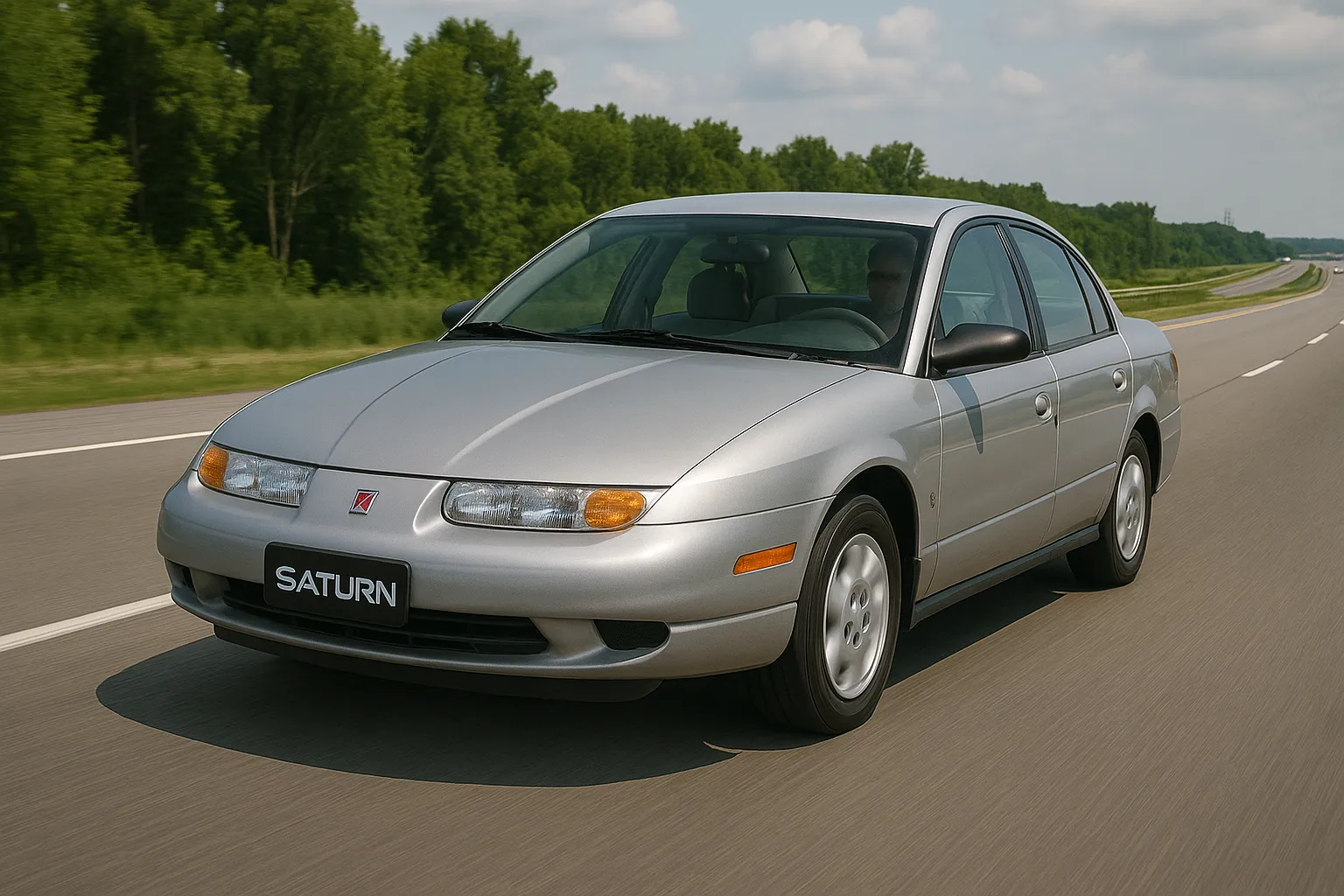
Saturns, though no longer gracing new car lots, remain a familiar sight on our roads. These dependable and, let's face it, endearingly quirky GM vehicles – think SL sedans, SC coupes, and even the later Ions and Vues – still have a loyal following. Chances are, if you own a Saturn, you value its reliability, its simplicity, and perhaps a certain… unique charm. So, the question naturally arises: can these cars be improved? Absolutely! With performance tuning tools like Saturn performance chips, ECU modules, and throttle controllers, you can unlock hidden potential you never knew existed.
Why even consider tuning a Saturn? Well, from the factory, Saturn engines were designed primarily for longevity and fuel efficiency, not exactly blistering performance. GM's engine calibrations were, understandably, conservative, aiming to meet stringent emissions standards, handle diverse driving conditions, and accommodate varying fuel qualities. It's safe to say they played it a little safe, leaving some power untapped. That's where the magic of tuning comes in.
Essentially, a Saturn tuning chip or ECU module gives you the ability to fine-tune your car's performance to match your personal driving style. Want snappier throttle response? More robust mid-range torque? Or maybe even slightly better fuel economy? Tuning puts you in the driver's seat, literally.
But what exactly does a Saturn performance chip do? In essence, it interfaces with your engine's control unit, allowing you to adjust key parameters like:
-
Fuel injection timing
-
Ignition timing
-
Air-to-fuel ratio
-
Throttle response
-
Transmission shift points (if you have an automatic)
These seemingly small adjustments can translate into noticeable improvements in acceleration, overall drivability, and, in some cases, even a small bump in MPG.
Throttle controllers, on the other hand, don't directly boost horsepower. Instead, they tweak the signal between the accelerator pedal and the ECU, resulting in a quicker, more responsive throttle and a sportier feel. For many Saturn owners, especially those with electronic throttle control, this alone can make a significant difference in the driving experience, adding a little pep to the ride.
So, what are the top benefits of tuning your Saturn?
-
Improved Power and Torque: You'll see gains, especially with the 2.2L and 2.4L Ecotec engines.
-
Sharper Throttle Response: Say goodbye to lag; enjoy a quicker feel off the line.
-
Fuel Efficiency Gains: Some chips even have eco modes for better mileage during consistent driving.
-
Better Drivability: Expect smoother acceleration, more responsive shifting, and fewer flat spots in the powerband.
-
Easy DIY Installation: Most chips and throttle controllers just plug into the OBD2 port – and are reversible!
Which Saturn models are the best for tuning? A few stand out:
-
Saturn SL / SL2 (1991–2002): Being lightweight and economical, these benefit from throttle control.
-
Saturn Ion (2003–2007): The Red Line, with its supercharged 2.0L engine, has particularly good tuning potential.
-
Saturn Vue (2002–2010): Both the 3.5L V6 (Honda-sourced) and 2.2L Ecotec respond nicely to performance chips.
-
Saturn Aura (2007–2009): Mid-size comfort paired with tuning potential, especially the 3.6L V6.
So, should you tune your Saturn? In my opinion, absolutely. If you're already a Saturn driver, you likely appreciate its unique qualities. Tuning it is an easy way to get even more enjoyment out of your car. Looking for extra zip? Better highway fuel economy? Or just a more engaging driving experience? Performance tuning offers an accessible and generally affordable upgrade.
Don't let those factory settings hold your Saturn back. Breathe new life into a classic American brand with the power of modern tuning. It's something I would consider if I still owned my old SL2, that's for sure!
Do you still have any questions?
Meet Anna and Kevin. They’re here to answer your questions and help you choose the right device


Average response time: 5 minutes
